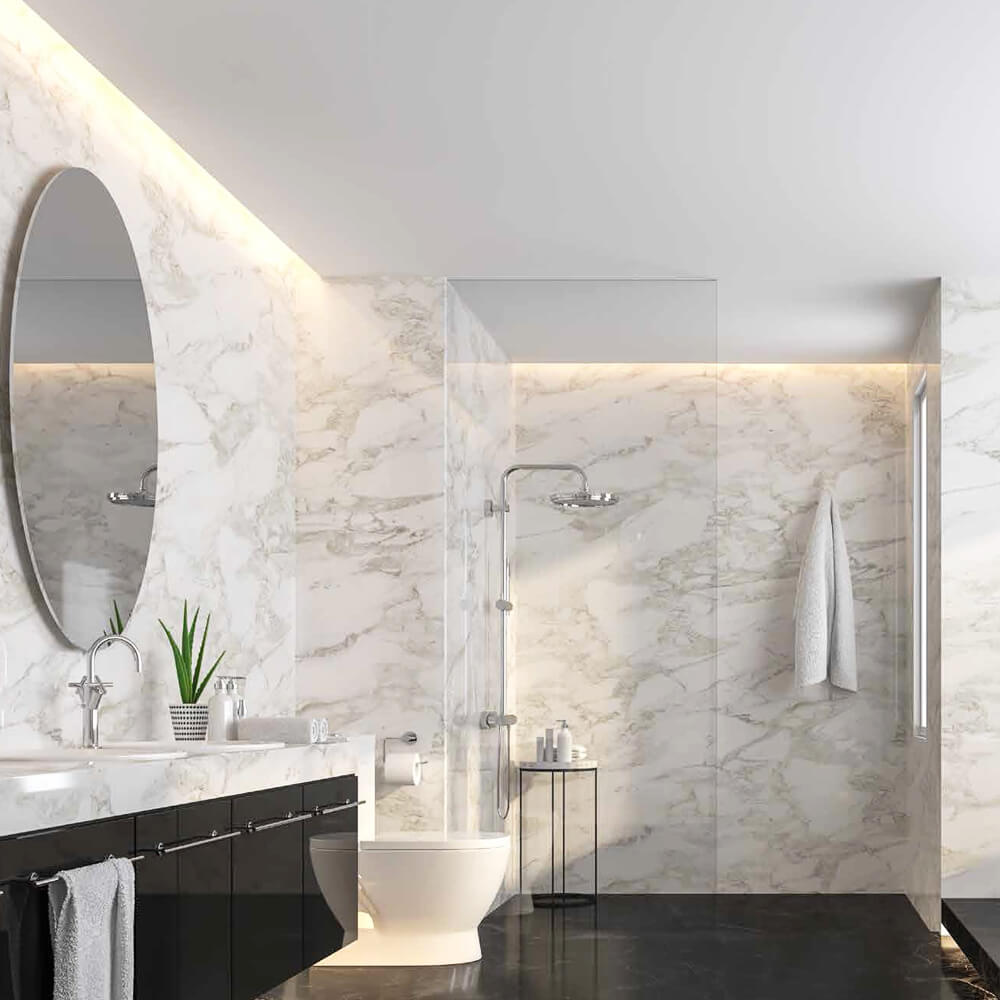
Quartz surfaces have become a popular choice for countertops, flooring, and other surfaces due to their durability, aesthetic appeal, and low maintenance. But have you ever wondered how these beautiful slabs are made? Let’s take a behind-the-scenes look at the manufacturing process of quartz surfaces, highlighting both the craftsmanship involved and the sustainability practices that are shaping the industry.
From Raw Materials to Finished Product
1. Raw Material Extraction
The journey begins with the extraction of raw materials. Quartz surfaces are primarily composed of natural quartz crystals, which are one of the hardest minerals on Earth. These crystals are mined from quarries around the world. Alongside quartz, manufacturers often incorporate other natural materials like colored pigments, recycled glass, and resins to achieve desired aesthetics.
2. Blending and Mixing
Once the raw materials are gathered, they are carefully blended in precise ratios. High-quality quartz particles are combined with polymer resins, pigments, and other additives. This mixture is thoroughly blended to create a uniform, workable composite. The proportion of resin typically ranges from 7% to 12%, providing strength and flexibility while maintaining a natural stone appearance.
3. Molding and Curing
The mixture is poured into molds or fed into large slabs. Modern manufacturing facilities use advanced casting or compression technology to form the slabs. During this stage, the mixture is subjected to vacuum and vibration to remove air bubbles, ensuring a dense and seamless surface.
4. Curing and Polishing
The slabs are then cured in industrial ovens at controlled temperatures to harden the resin and set the material. Once cured, the slabs are cut, polished, and finished to specifications. The polishing process enhances the surface’s luster and brings out the intricate patterns and colors.
5. Quality Control and Packaging
Before reaching consumers, each slab undergoes rigorous quality inspections for consistency, color fidelity, and surface integrity. Approved slabs are then packaged carefully to prevent damage during transportation.
________________________________
Sustainability Practices in Quartz Surface Production
As consumers become more environmentally conscious, manufacturers are adopting sustainable practices to reduce their ecological footprint:
1. Use of Recycled Materials
Many producers incorporate recycled content such as crushed glass or reclaimed quartz to minimize waste and reduce the need for virgin raw materials. This not only conserves natural resources but also adds unique aesthetic elements to the surfaces.
2. Eco-Friendly Resins
Traditional resins used in manufacturing can contain volatile organic compounds (VOCs). However, innovative companies are shifting towards low-VOC or bio-based resins, which emit fewer harmful emissions during production and use.
3. Waste Management and Recycling
During manufacturing, waste materials like excess resin, dust, and broken slabs are often recycled or repurposed. Some facilities have closed-loop systems that recycle water and materials, drastically reducing landfill waste.
4. Responsible Sourcing
Sustainable manufacturers ensure that raw material extraction is conducted responsibly, adhering to environmental regulations and supporting local communities.
5. Certification and Standards
Look for brands with certifications such as GREENGUARD, NSF, or LEED credits, which indicate adherence to strict environmental and health standards.